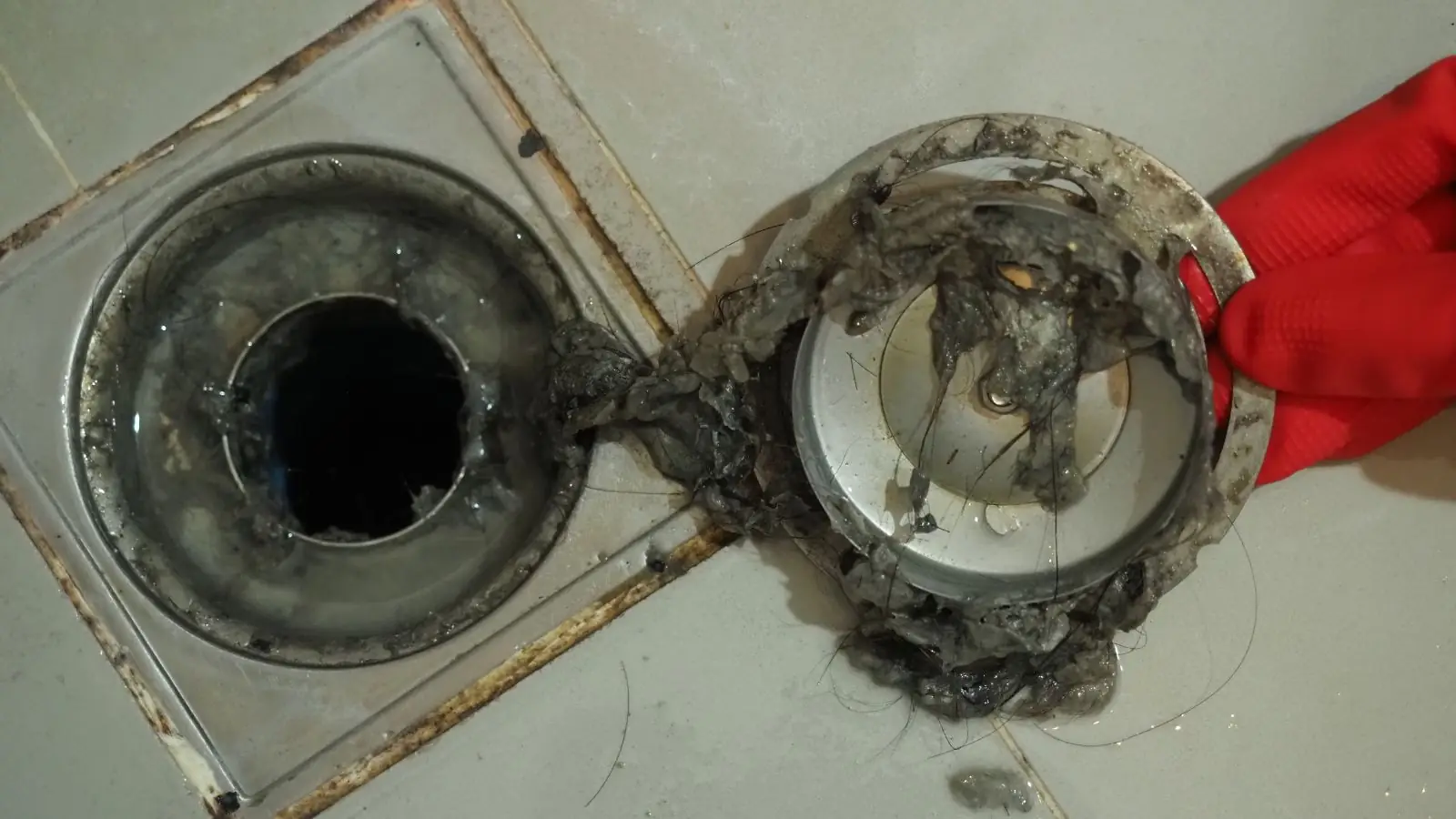
Sewage coming up a drain, toilet or shower is treated as Category 3 water, the most contaminated class. Keep people and pets away and call the 24/7 emergency line. We remove the water and affected materials with protective gear and containment, and a plumber or the city handles the blocked line.
What Category 3 means
ANSI/IICRC S500 is the published standard that sorts water by contamination, and sewage falls in Category 3. That means porous items such as carpet, pad and soaked drywall usually cannot be cleaned and are removed. Hard surfaces can be cleaned and treated with antimicrobial products.
Where the backup starts
If only one drain backs up, the problem may be in your own line, and a plumber can clear it. If several fixtures back up, the main line may be blocked, and you should call the city. Public Works Wastewater is at (972) 780-4900, and the city after-hours water line is (972) 780-4959.
| What backs up | Likely who to call |
|---|---|
| One toilet or tub only | A plumber for your own drain line. |
| Several drains at once | A plumber, and the city if the main line is the cause. |
| Sewage in the yard | Public Works Wastewater. |
Category 3 water can carry bacteria and other contaminants, so the goal is to limit how far it travels. A backup that reached only a bathroom tile floor is a smaller job than one that reached carpet in a hallway. The crew checks where the liquid went, how deep it got, and which materials touched it before choosing what stays and what goes.
Safety first steps
Do not touch the water or wade through it. Turn off power only if the panel is dry and safe to reach. Stop using sinks, toilets and the washer, since they add to the flood. Keep children and pets out, and wash hands well if you touched anything.
Right away
- Stop using water fixtures in the house.
- Keep people and pets away from the area.
- Take photos before cleanup begins.
- Call a plumber or the city about the line.
- Call the emergency line for cleanup.
Sewage on the floor?
Call the 24/7 emergency line now and stay out of the water.
Our cleanup process
Crews wear protective gear and set containment barriers to limit spread. Extraction units and wet vacuums remove the liquid. Carpet, pad and soaked drywall come out. Surfaces get an antimicrobial treatment, and HEPA air scrubbers and negative air may run during the work.
Where the plumber or the city has cleared the line, we do not run water through the house until it is confirmed open. After cleanup, air movers and LGR dehumidifiers dry the structure. Large losses can resemble flood damage restoration in scope, and finishing steps overlap with water damage cleanup.
The crew cuts drywall back above the wet line when contaminated water wicked upward. Baseboards, pad and tack strip are bagged and carried out, and the sealed bags leave through a path that does not cross clean rooms. Floors and framing that remain are cleaned, treated and then dried to the drying goal with readings logged each visit.
Cost factors for sewage cleanup
Cost depends on the area affected, the depth of the water, how much porous material must be removed, the protective gear and containment needed, and the days of drying. The figure comes after the crew sees the space.
Insurance for sewage backup
Texas Department of Insurance guidance says to notify your agent or company as soon as you know of damage. Many policies treat a sewer or drain backup differently from other water losses, so read yours closely or ask your agent what applies. The TDI Consumer Help Line is 1-800-252-3439.
Mistakes to avoid
- Cleaning it up with a household mop and bare hands.
- Keeping wet carpet because it looks fine.
- Running fans that spread contaminated air.
- Assuming a plumber alone will handle cleanup.
Sewer overflows in Duncanville
In 2023 city crews responded to a sanitary sewer overflow from an aerial sewer crossing on the south side of Harrington Park. The city advised residents to avoid contact with waste material, soil or water in the affected area. Do the same at home.
We also serve Grand Prairie and Cedar Hill when a backup needs cleanup.
Frequently Asked Questions
Yes. The 24/7 emergency line is open every day, with same-day response when available. We do not promise an arrival time. Stay out of the water until the crew arrives.
A plumber handles your own line. If the main line is the problem, call the city.
Usually not. Porous materials like carpet and pad are removed in Category 3 losses.
Often the affected rooms are closed off, and people and pets stay out of them. Whether you can stay elsewhere in the house depends on how far the backup spread. The crew explains this once it sees the space.
In the 2023 city overflow, the city said tap water was not affected. Ask the city about any current event.