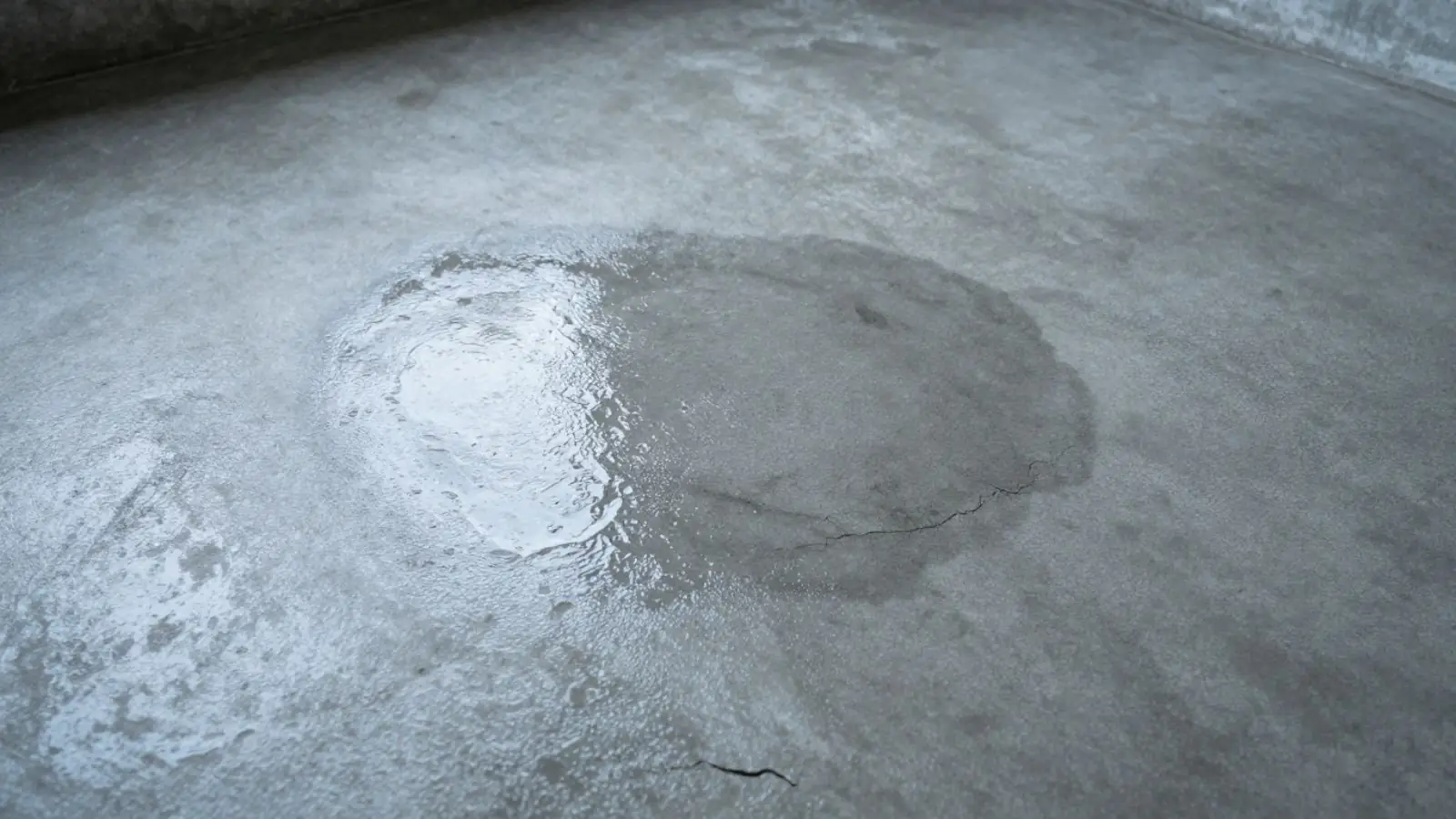
A slab leak can only happen in a slab-on-grade home, where water lines run in or under the concrete. If you see warm floor spots, hear hissing or watch the meter spin with every tap shut, call a plumber for leak detection first. Slab leaks are one cause among many, and we dry the damage the water leaves behind.
What a slab leak is and where it shows up
Water supply lines for some slab homes run through or beneath the concrete floor. When one of those lines leaks, water can rise through cracks or spread under the flooring. This page applies only to slab-on-grade houses, and we make no claim on how common slab leaks are in Duncanville.
Texas State Historical Association growth figures show Duncanville added about 24,000 residents from 1960 to 1980, so many homes are now 45 to 65 years old. Older plumbing can wear out, which is one reason a leak may appear. Age alone does not prove a leak, so a plumber has to check.
Signs of a slab leak and what each one means
| Sign | What it may mean |
|---|---|
| Warm spot on a floor | A hot water line may be leaking beneath it. |
| Meter keeps spinning with fixtures off | Water is leaving the system somewhere. |
| Hissing or running sound in a quiet house | Pressurized water escaping. |
| Damp baseboards or lifting flooring | Water has reached the surface and the wall base. |
Many other leaks cause the same signs, so detection by a plumber comes first. Slab leaks are one cause among many.
Water from a slab leak does not always rise where the pipe is. It can follow the slab edge, slip under tile or wood flooring and show up at a baseboard several feet away. That is why we map the room with a thermal imaging camera before we decide where to dry, and why a surface that feels dry may still read wet.
Safety and first-hour steps
Close the main water valve at the house, and the meter will show if the leak stops. A meter that goes quiet after the valve is closed points to a leak inside your own piping. Keep power off in wet rooms unless the panel is dry and safe to reach. If you cannot find the shutoff, the City of Duncanville takes after-hours water emergencies at (972) 780-4959.
Before the plumber and crew arrive
- Shut off the main water valve and check the meter.
- Stay off wet floors near outlets and appliances.
- Take photos of damp areas and the meter reading.
- Lift rugs and move furniture off wet flooring.
- Call a plumber for leak detection, then the emergency line for drying.
Warm floor or spinning meter?
Shut off the main, then call the 24/7 emergency line about the wet flooring.
Our process after the line is found
Once the plumber has located and repaired the leak, we map the wet area with moisture meters and a thermal imaging camera. Baseboards may come off so air can reach the wall base. Air movers and LGR dehumidifiers dry the room, and a drying log tracks readings each visit.
Concrete itself dries slowly, so crews watch flooring, trim and the lower drywall rather than promise a quick finish. For longer jobs, structural drying and dehumidification explains how equipment stays until readings meet the drying goal.
After the plumber's repair, the floor may need to be opened or lifted for a short time. Wet carpet pad comes out, because it holds water against the slab. Tile and sealed wood sometimes stay in place and dry from the edges, which our crew confirms with meter readings. Our water damage repair page explains what rebuilding looks like when materials must be replaced.
Cost factors for slab leak water damage
Cost depends on how long the water ran, what flooring sits on the slab, how far it wicked into walls, and how many days of equipment the readings need. Plumbing repair or concrete work is priced by the plumber, not by us. The number for drying comes after the crew sees the space and reads the moisture in the floor and lower walls.
Insurance and slab leaks
Texas Department of Insurance guidance says to notify your agent or company as soon as you are aware of damage. Policies treat sudden and gradual water losses differently, and the plumbing repair itself may be treated apart from the damage. Check your policy, and call the TDI Consumer Help Line at 1-800-252-3439.
Mistakes to avoid with a suspected slab leak
- Waiting weeks because the floor only feels a little warm.
- Gluing new flooring over damp concrete.
- Assuming a high bill is the only sign.
- Skipping the plumber and calling only for drying.
Duncanville buys treated surface water from the City of Dallas, and that water still soaks drywall, wood trim and flooring like any other. A long, slow leak can also leave materials damp enough to grow mold. Fast drying keeps that question smaller, and your plumber can confirm that the line is dry and sound before floors go back.
Serving slab homes in Cedar Hill and Grand Prairie
Our crews respond in Cedar Hill and Grand Prairie as well. For a published reference, ask any company whether it works to ANSI/IICRC S500.
Frequently Asked Questions
Yes. The 24/7 emergency line is open every day, with same-day response when available. We do not promise an arrival time. A plumber still needs to find and stop the leak.
No. A plumber finds and repairs the pipe, and we dry what the water soaked. The two visits often happen close together, and the plumber's findings help us plan the drying.
Say what the floor is made of, where it feels warm or damp, and whether the meter stopped when you closed the main valve. That helps the crew bring the right tools.
Yes. A slab leak needs a slab-on-grade foundation. A pier and beam home has a crawl space instead.
It depends on the flooring, the area and the amount of water. Daily readings show progress, and the crew removes equipment when readings reach the drying goal.